
Helping Your Rescue Pug Overcome Separation Anxiety
Introduction
Separation anxiety is one of the most common challenges we see in rescue pugs. These velcro companions form deep bonds and often struggle when left alone. With patience, structure, and consistency, you can help your pug feel safe and secure.
What Separation Anxiety Looks Like
Signs may include barking or whining when you leave, scratching doors, destructive behavior, accidents in the house, pacing, or excessive drooling. This is not bad behavior. Your pug is experiencing stress and does not yet know how to cope.
Why Rescue Pugs Struggle
Many rescue pugs have experienced sudden changes, loss of previous owners, or inconsistent routines. Because pugs are naturally people-oriented, being alone can feel overwhelming and unsafe to them.
Step 1: Build a Safe Space
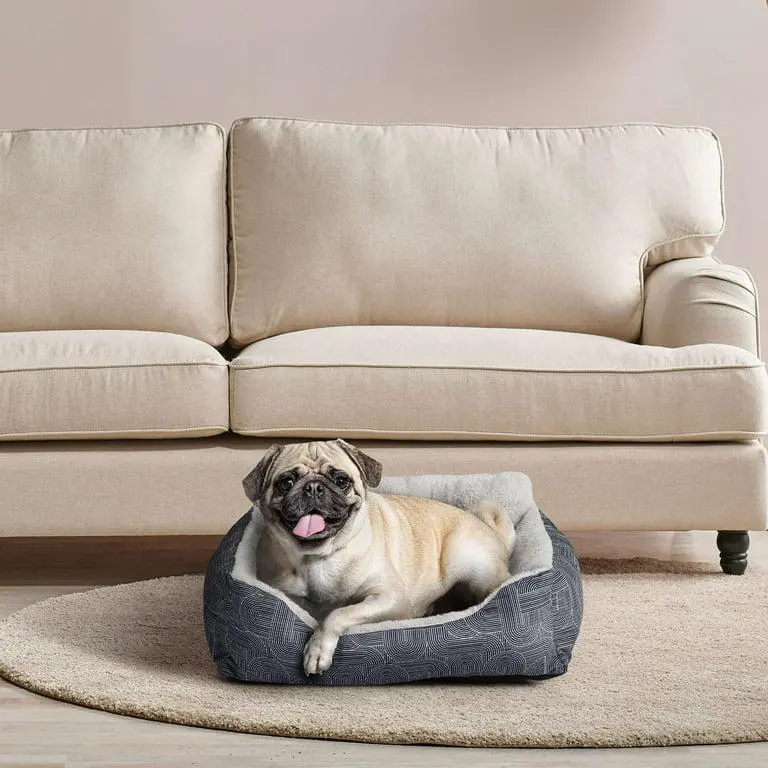
Create a calm, cozy area where your pug can relax. Use a crate or quiet corner with soft bedding, favorite toys, and something that smells like you. This space should feel like a retreat, not a punishment.
Step 2: Practice Gradual Departures
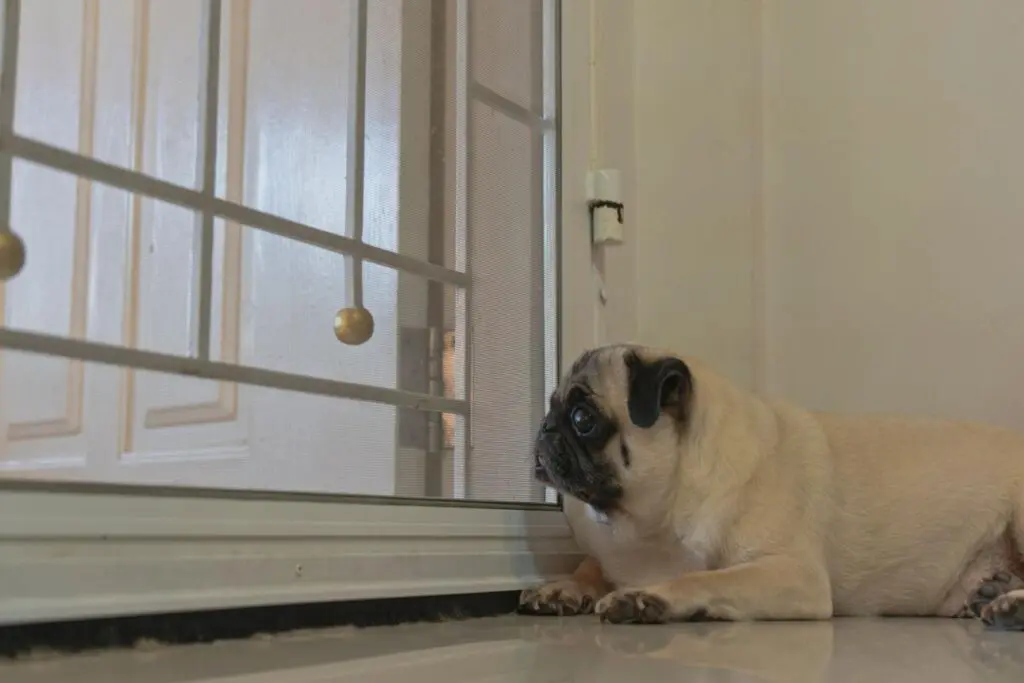
Start by leaving for short periods, even just one or two minutes. Return before your pug becomes distressed. Slowly increase the time away. Consistency is key to building confidence.
Step 3: Keep Departures Low-Key
Avoid emotional goodbyes or greetings. Stay calm when leaving and returning home. This helps normalize your routine and reduces anxiety triggers.
Step 4: Provide Enrichment
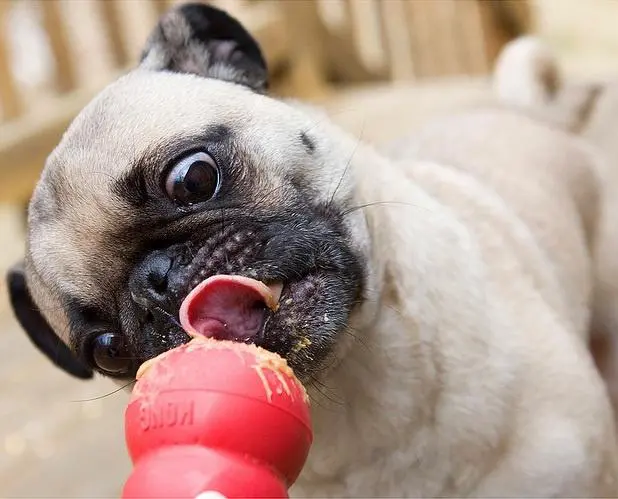
Give your pug something engaging while you are gone, such as a stuffed Kong, lick mat, puzzle toy, or safe chew. This helps create a positive association with alone time.
What to Avoid
Avoid punishment, leaving your pug alone too long too soon, dramatic exits, or forcing crate use if it causes panic. These can increase anxiety.
When to Seek Help
If your pug shows severe distress, consider working with a trainer or consulting your veterinarian for additional support options.
Final Thoughts
Separation anxiety takes time to improve, but small consistent steps make a big difference. Your pug is learning that they are safe and that you will always come back.
